


How to Choose Quality Furniture: A Buyer’s Guide to Materials and Craftsmanship

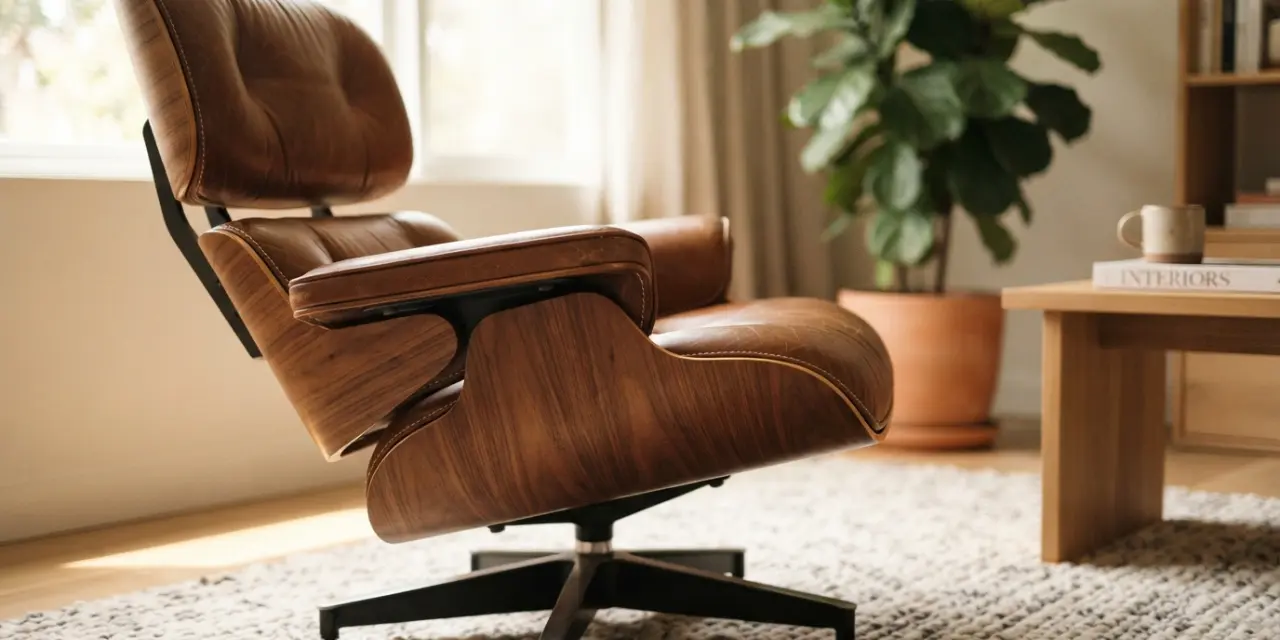
Buying furniture online has one obvious drawback: you can’t sit on it, run your hand across the leather, or check how solid the frame feels before you commit. You’re judging everything from a handful of photos and a product description written by someone whose job is to make the piece sound as good as possible. That’s not a criticism of online shopping. It’s just the reality of it, and it means the burden of figuring out what’s actually good falls on you.
The good news is that furniture quality isn’t a mystery once you know what to look for. It comes down to a small number of materials and construction choices that separate a piece that lasts fifteen years from one that starts looking tired after eighteen months. This guide walks through exactly what those are, so you can shop with more confidence, whatever you’re buying and wherever you’re buying it from.
Why “Expensive” Doesn’t Always Mean “Quality”
It’s tempting to assume price is a shortcut for quality. Pay more, get better. In practice, it’s a lot less reliable than that. Brand name, marketing spend, showroom overheads, and import costs all show up in the final price tag, and none of them tell you anything about what’s actually holding the cushion together.
You’ll find beautifully made pieces at moderate prices from manufacturers who simply don’t spend much on marketing, and you’ll find disappointing pieces at premium prices where the brand is carrying more of the cost than the materials are. That’s not an argument against ever paying for a well-known name. It’s just a reason not to let price do the thinking for you. The materials and construction underneath the price tag are what actually determine how a piece performs over time, and that’s true regardless of budget.
Leather: What to Look For
Leather is one of the easiest materials to get wrong as a buyer, mostly because “leather” gets used as a catch-all term for several very different products.
Top-grain leather is the real thing: the upper layer of the hide, with the natural grain intact. It’s supple, it breathes, and it develops a soft patina as it ages, which is part of why well-cared-for leather furniture often looks better after a few years than it did brand new. It’s also the most expensive of the leather options, for good reason.
Bonded leather is made from leftover leather scraps and fibres, bonded together with adhesive and finished with a printed surface layer to look like leather. It’s a budget option, and it behaves like one. The surface layer tends to peel or crack within a few years, particularly anywhere it gets regular contact, like armrests.
PU leather (sometimes labelled “vegan leather” or “faux leather”) is a synthetic material made to resemble leather. Modern versions have improved a lot, but they still don’t breathe the way real leather does, and most will show wear, cracking, or discolouration well before genuine leather would.
If a listing doesn’t specify which of these you’re getting, that’s worth asking about directly before you buy. A seller confident in their materials will tell you plainly.
Wood and Veneer: Real vs Printed
The same “looks the same in a photo, behaves very differently in person” problem applies to wood.
Solid wood is exactly what it sounds like, and it’s the most durable option, though also the heaviest and typically the most expensive.
Real veneer is a thin layer of genuine wood, walnut, oak, ash, or similar, bonded to a more affordable core material underneath. Done well, this is a completely legitimate and widely used technique. It gives you the authentic grain, colour, and texture of real wood, at a lower weight and cost than solid timber, and it’s what most mid-range and premium furniture actually uses.
Printed laminate is a photograph of wood grain applied to a manufactured board, usually MDF or particleboard. It can look convincing in product photos, but up close the grain repeats in an obviously artificial pattern, and it doesn’t age the way real wood or veneer does. Edges are often the giveaway: real veneer typically wraps or is carefully finished at corners and edges, while laminate edges frequently show the plain board underneath.
If you’re unsure which you’re looking at from a listing, zoom into any close-up photos of an edge or corner. It usually tells you everything you need to know.
Foam Density and Cushion Support
This is the material buyers check least often, and it’s arguably one of the most important for anything you’re going to sit on regularly.
Foam is rated by density, measured in kilograms per cubic metre. Higher-density foam holds its shape for years; lower-density foam compresses quickly and starts to feel flat within months, even if the fabric or leather on top still looks fine. A cushion can look identical on day one whether it’s filled with 25kg/m3 foam or 45kg/m3 foam. The difference only becomes obvious after regular use, by which point it’s too late to do much about it.
Not every listing includes this detail, but it’s a completely reasonable thing to ask a seller directly. A good specification for regularly used seating is generally 35kg/m3 or higher.
Base and Frame Materials
For chairs and pieces with a visible structural base, what that base is made from affects both how long it lasts and how it actually feels to use.
Die-cast aluminium is durable, resists corrosion, and takes a polished finish well without adding excessive weight. It’s the standard choice for quality chair bases.
Chromed steel is heavier and very durable, though more prone to showing scratches on the plated finish over time.
Plastic bases are the clearest quality compromise. They’re common on the cheapest end of the market and tend to flex, creak, or crack well before the rest of the piece shows any wear.
If a base is a visible part of the design, rather than hidden under upholstery, it’s worth checking the material specification specifically, since it’s one of the easier things for a manufacturer to quietly downgrade without it showing in photos.
A Practical Pre-Purchase Checklist
Bringing all of this together, here’s what’s worth checking before you commit to any upholstered or wood furniture piece:
- Leather grade: top-grain, bonded, or PU, and which one is actually being used
- Wood type: solid wood, real veneer, or printed laminate, and how it’s finished at the edges
- Foam density: ask for the kg/m3 rating if it isn’t listed
- Base material: aluminium, steel, or plastic, particularly if it’s a visible design element
- Stitching quality: visible in close-up photos: even spacing, no loose threads, clean panel alignment
- Warranty length: a seller confident in their materials will typically offer at least a year
- Return policy: a genuine, unrestricted return window is a good sign the seller isn’t worried about what you’ll find when the piece arrives
None of these require any special expertise to check. They just require knowing to look.
Where This Applies in Practice
These principles hold regardless of what you’re buying, a sofa, a dining set, or a well-known design classic. It’s especially relevant with pieces like an eames lounge chair replica, where the same design is manufactured by dozens of different companies at wildly different quality levels, and the only real way to tell them apart is by checking exactly the materials covered above.

Making the Right Call
None of this is complicated once you know what to look for, and none of it requires expert knowledge or special tools. It just means treating price and brand as secondary signals, and materials and construction as the primary ones. Check the leather grade. Look closely at the wood. Ask about foam density. Notice what the base is made from. Read the warranty terms before you buy, not after something goes wrong.
Furniture is one of the few purchases most people make expecting it to last a decade or more. A few minutes of checking the right details before you buy is a small price for making sure it actually does.
Written by Interior Furnishes Editorial Team, founder/contributor at Interior Furnishes, a UK and Europe furniture retailer specialising in mid-century modern design pieces.